
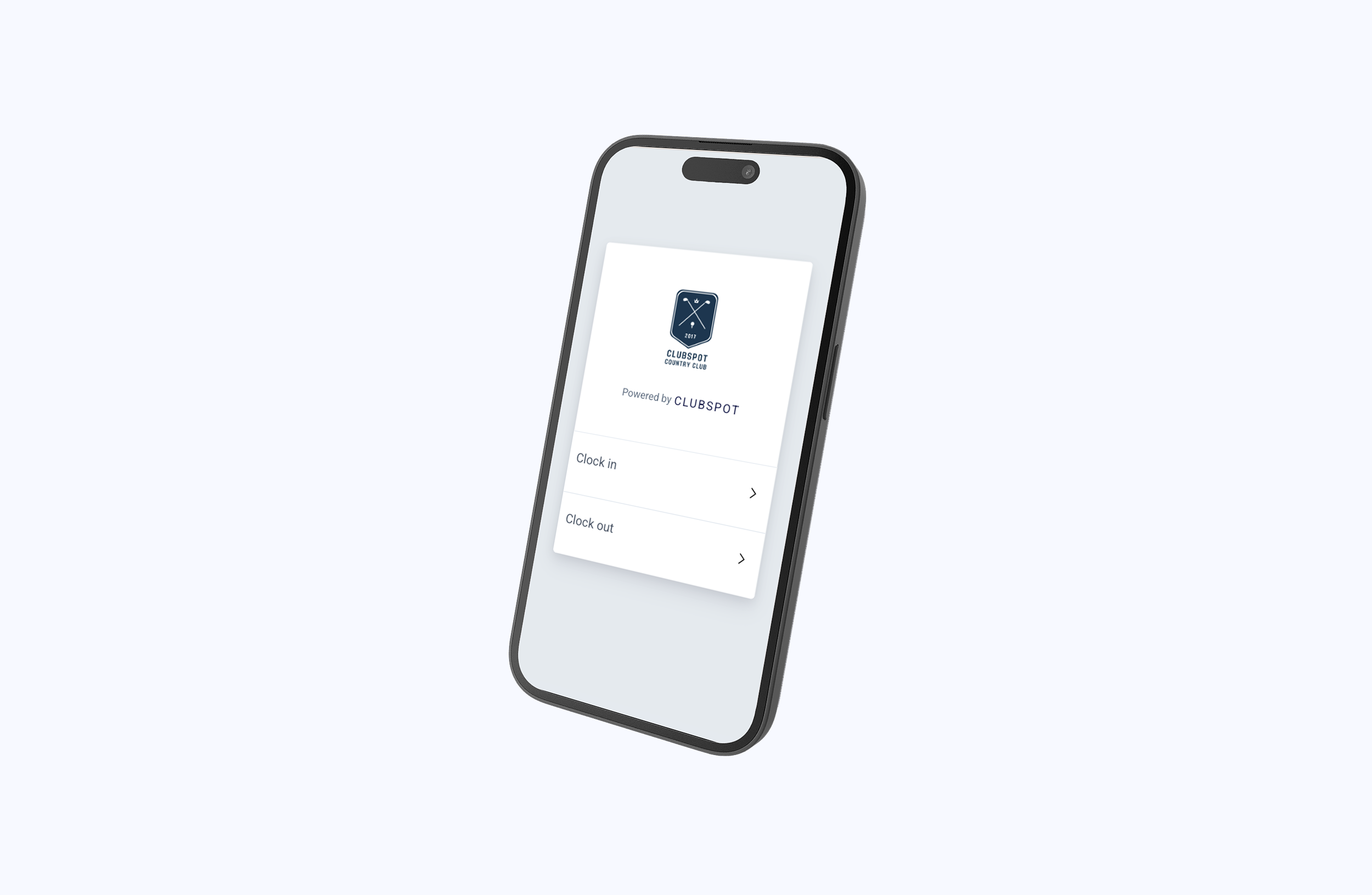
Clear schedules and simple staff workflows help club teams stay prepared for every shift.
By Fritz Baldauf
Staff schedules shape more than who works each shift. They affect service coverage, employee workload, and how well departments handle busy periods, events, and changing demand. Choosing scheduling software means looking at the club’s actual staffing needs, not just how quickly a schedule can be posted.
Clubspot connects club workflows such as reservations, events, dining, and billing. Staff scheduling has its own requirements, so clubs should evaluate workforce tools based on how well they support the teams and service standards the club needs to manage.
Start with coverage. A scheduling tool should make it easy to see whether each shift has the right number of people and the necessary roles covered. Clubs with multiple departments may also need to account for different operating hours, seasonal changes, and event-driven demand.
Consider how the software handles employee availability, qualifications, and scheduling rules. Managers should be able to see relevant constraints while building a schedule and understand where coverage gaps or conflicts may arise. Confirm that the tool can reflect the club’s policies and applicable labor requirements.
Communication is another key part of scheduling. Employees need a clear way to view shifts, receive updates, and understand when a schedule changes. Clubs should check whether the tool supports the communication and change-management process their teams expect, including how shift requests and swaps are handled.
Also consider how scheduling information connects with other systems. Clubs may want to understand what data can be shared with timekeeping, payroll, or reporting tools, and whether managers can access the information they need without repeated manual entry. Ask vendors to explain how integrations work and what setup or ongoing maintenance they require.
The software needs to work for both managers and employees. Test common tasks, such as building a schedule, checking coverage, requesting a change, and notifying staff. A tool that is difficult to use can create extra work and reduce adoption, even if it has many features.
Before choosing a system, review a real schedule with the people who will use it. Check how the software handles a typical week, a busy event, a last-minute absence, and seasonal staffing changes. Comparing those workflows can help clubs choose a tool that supports reliable coverage and clear communication.
Do you want to improve your club’s staff scheduling? Book a demo today.
