
The Best Time to Fix a Workflow Is Before It Becomes a Tradition
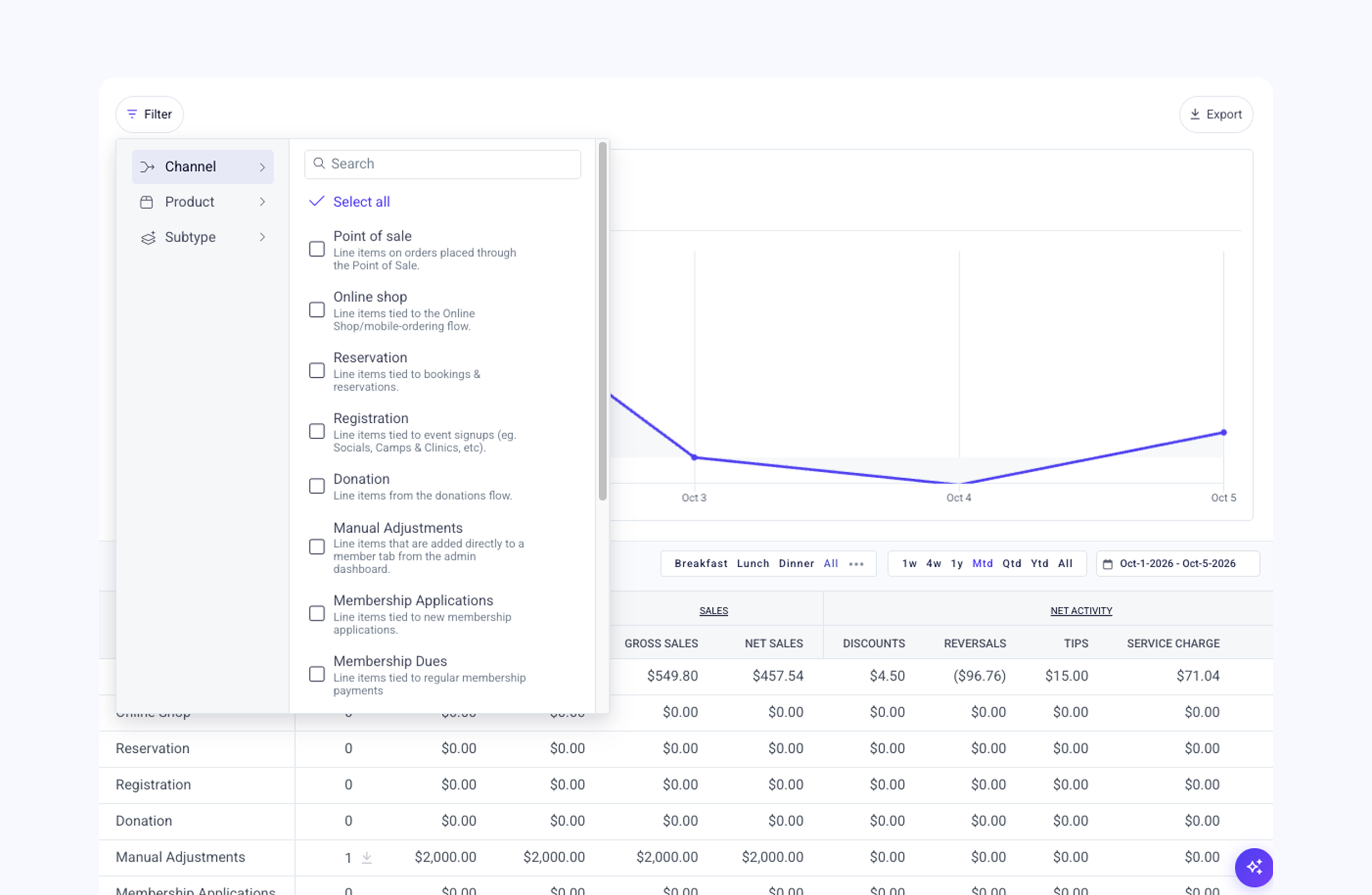
A clear view of club activity makes it easier to spot where workflows can be simplified.
By Fritz Baldauf
Private clubs are built around traditions, but not every long-standing practice deserves to become one. Some workflows begin as temporary solutions to a specific problem: a spreadsheet created for one event, a paper form used during a busy season, or an extra approval step added after an unusual situation. Over time, staff become accustomed to the process, and the original reason for it may be forgotten. Eventually, “This is how we have always done it” replaces the question of whether it still makes sense.
Familiarity can make an inefficient process feel more dependable than it really is. Staff know which columns to update, which reports to export, and which people need to receive the information afterward. That experience keeps the workflow moving, but it can also hide the amount of effort required to maintain it. A process should not be considered effective simply because employees have become skilled at working around its limitations.
These inherited workflows are particularly difficult for new staff members. Instead of learning a clear system, they must memorize exceptions, informal rules, and steps that may not appear in any official documentation. They may understand what to do without knowing why the process was designed that way. The club then becomes increasingly dependent on institutional knowledge that is difficult to transfer and easy to lose.
A useful way to evaluate any workflow is to separate the steps that create value from those that exist because of the club’s technology. Some steps protect members, maintain financial controls, or preserve an important service standard. Others may involve copying information, checking multiple systems, or manually confirming something that should already be visible. Modernization is not about removing thoughtful club policies; it is about eliminating the extra work surrounding them.
Clubspot was built around how modern clubs should operate rather than around processes inherited from older software. Reservations, billing, events, dining, golf, membership, and other club functions can work within one connected platform. When information flows naturally through the original workflow, staff do not need to create additional processes just to keep departments aligned. The technology can adapt to the club’s policies without making unnecessary administrative habits part of the culture.
Improving a workflow is also easier before it becomes deeply embedded in the operation. The longer a manual process remains in place, the more reports, responsibilities, training materials, and expectations are built around it. Clubs should regularly review new workarounds and ask whether they solve a temporary issue or reveal a larger problem with the underlying system. Addressing that problem early can prevent years of repeated effort.
The future of private club operations will depend on preserving meaningful traditions while remaining willing to question accidental ones. Clubs should keep the practices that strengthen their culture, protect their standards, and improve the member experience. The processes that exist only because disconnected technology made them necessary should not receive the same protection. Book a demo to see how Clubspot can help your club replace inherited workarounds with more connected workflows.
