
One Transaction Should Not Create Three More Tasks
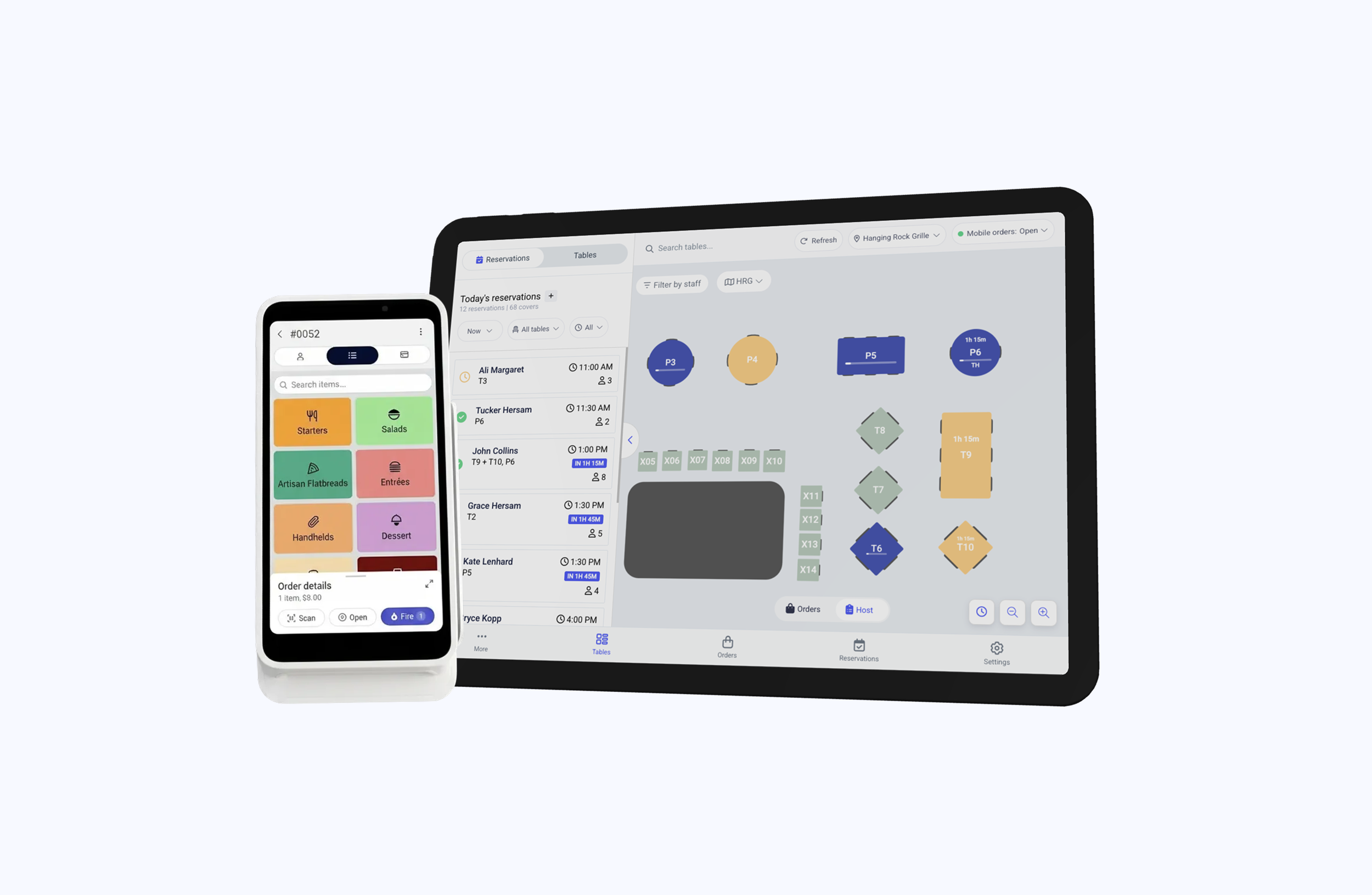
A modern, streamlined Point of Sale system is key for any private club in 2026.
By Fritz Baldauf
A member orders lunch, purchases something from the golf shop, or closes a tab after an event. To the member, it is one simple transaction. Behind the scenes, however, that purchase may need to reach the member account, financial reports, payment records, and general ledger. When those systems are disconnected, one transaction can create several additional tasks for club staff.
That extra work often begins at the point of sale. Staff process the purchase in one system, then finance teams export, review, or transfer the activity somewhere else. Another employee may need to confirm that the correct member, department, pricing rule, and payment method were applied. Clubspot connects POS activity with member billing, reporting, and financial workflows so the original transaction can remain useful throughout the club.
The benefit begins with giving service teams the right information at the moment of purchase. A private club POS system should recognize that the person standing at the counter or sitting at the table is a member with an existing club relationship, not an anonymous restaurant customer. Member context, account details, and applicable pricing can help staff complete the transaction more accurately and provide more personal service. Clubspot’s POS is designed specifically for private clubs and connects transactions directly with the broader member record.
Modern POS tools should also help staff work efficiently wherever service takes place. Clubspot’s handheld POS allows employees to enter orders, accept payments, capture signatures, and complete transactions without repeatedly returning to a stationary terminal. That mobility can reduce unnecessary movement, shorten the distance between ordering and payment, and help staff remain present with members. The transaction still feeds into the same connected billing and reporting environment used throughout the club.
Connection is equally important after the member leaves the table or counter. Transactions should appear accurately on the appropriate member account and flow into the club’s financial records without requiring staff to rebuild the activity later. Clubs using fragmented systems may spend significant time comparing reports and identifying why POS totals do not align with billing or accounting. Integrated workflows reduce those handoffs and give finance teams a clearer path from the original sale to reconciliation and reporting.
Strong controls help preserve that accuracy during daily service. Different employees may need different permissions, while managers require the flexibility to approve exceptions without giving every user access to sensitive settings. Clubspot supports role-based POS controls, manager-level overrides, and profile-based restrictions that help clubs protect pricing, billing, and reporting while keeping service moving. Those guardrails can also simplify training by showing employees the tools relevant to their responsibilities.
The future of private club POS is not simply a faster register or a more modern-looking screen. It is a connected transaction that moves naturally from the member interaction into billing, reporting, and accounting without creating a trail of administrative cleanup. Clubspot brings POS into the same modern platform used to manage the broader club relationship, allowing one transaction to remain one coordinated workflow. Book a demo to see how Clubspot can connect your point of sale with the rest of your club’s operation.
