
Private Club CRM and Membership Management Software Explained
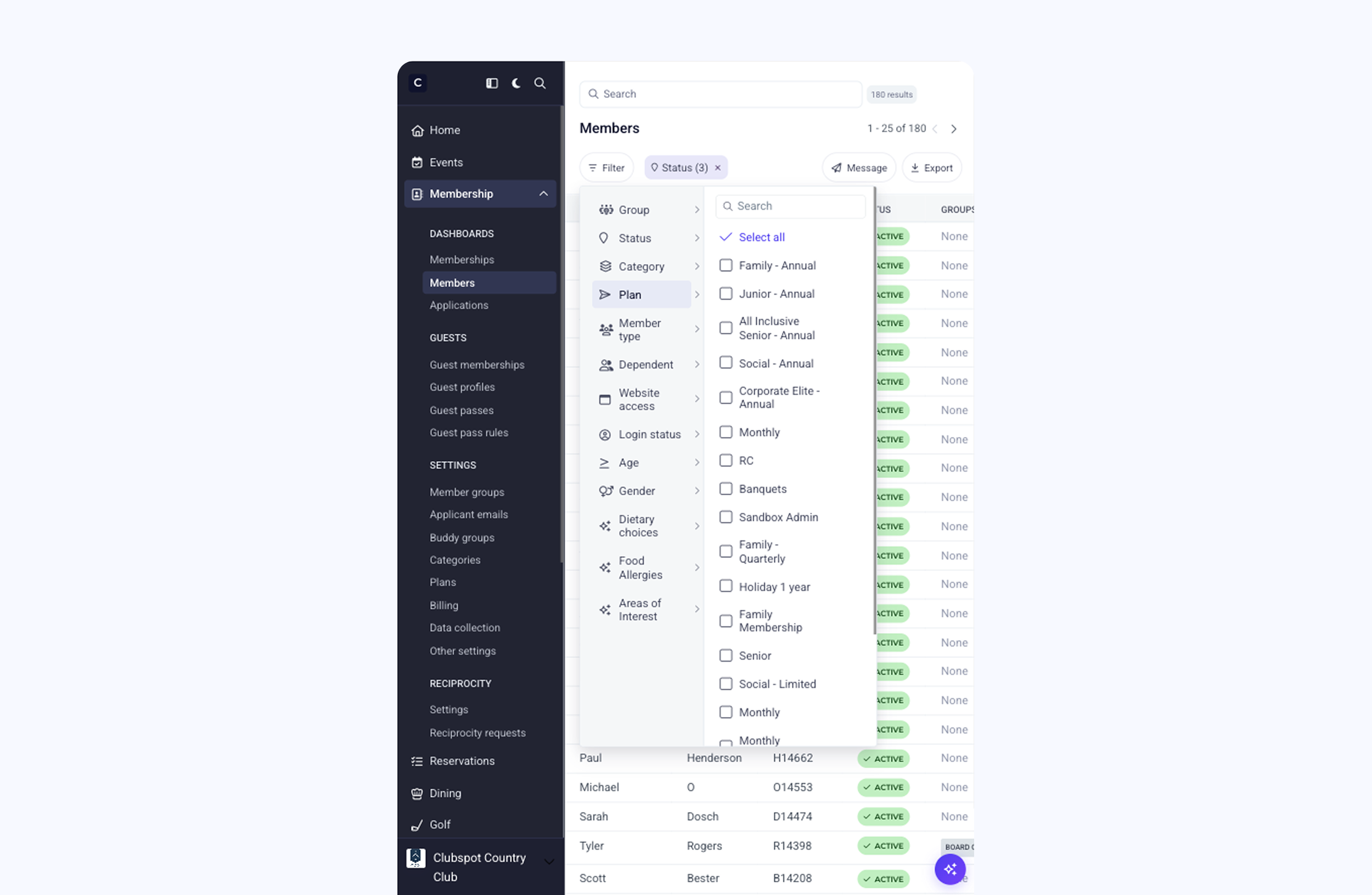
A modern membership system puts the club’s full member database at staff’s fingertips, with key information organized and easy to access in one place.
By Fritz Baldauf
Private club CRM software should manage much more than a list of names and contact information. A club’s relationship with a member begins with an inquiry, continues through an application and onboarding process, and develops across years of events, visits, reservations, communications, and financial activity. Membership teams need tools that support each stage without forcing information into separate spreadsheets or systems. The best platforms create one reliable record of the full member relationship.
The process begins before someone officially joins the club. Membership teams need a clear way to manage prospects, track applicants, organize approval steps, and move accepted applicants into the active membership database. Information collected during the application process should transfer naturally into onboarding rather than requiring staff to enter it again. Clubspot supports applicant tracking and streamlined onboarding workflows designed to turn prospective members into active members more efficiently.
Once a member joins, the platform must reflect the complexity of the relationship. Clubs may need to manage households, dependents, membership categories, contact details, account statuses, preferences, and other information that changes over time. Staff should be able to update one central member record and trust that the current information will be available throughout the club. A connected system reduces duplicate entry and makes it less likely that departments will work from conflicting versions of the same profile.
Membership management also extends beyond maintaining accurate records. Directors need to understand whether members are visiting the club, registering for events, using facilities, and engaging with the programs available to them. Clubspot connects participation, attendance, visit frequency, and spending information with the broader membership relationship, helping teams identify patterns and opportunities more quickly. Its built-in reporting and AI tools can also help staff explore engagement trends using the information already inside the platform.
Communication is another essential part of private club CRM software. Membership teams should be able to organize audiences and send relevant messages without exporting lists into a separate marketing platform every time. Integrated email, SMS, and push notifications make it easier to communicate with applicants, new members, specific membership groups, or members connected to particular activities. When communications are tied to current member information and club activity, outreach can become more timely and useful.
The member record should also connect with billing and the digital member experience. Recurring dues, activity charges, payments, statements, and account history are all part of the club’s relationship with each household. Members should be able to review their accounts and manage everyday interactions through the club’s portal or mobile app, while staff work from the same underlying information. Clubspot connects membership data with automated billing, payments, member apps, reservations, events, and other operational workflows in one cloud-based platform.
The best private club CRM and membership management software supports the relationship from the first expression of interest through years of active membership. It should help staff manage applicants, maintain accurate records, communicate effectively, understand engagement, and connect membership with the rest of the club operation. Clubspot approaches membership as a complete lifecycle rather than an isolated database, giving teams a clearer view of the people and activity behind the club community. Book a demo to see how Clubspot can modernize membership management across your club.
